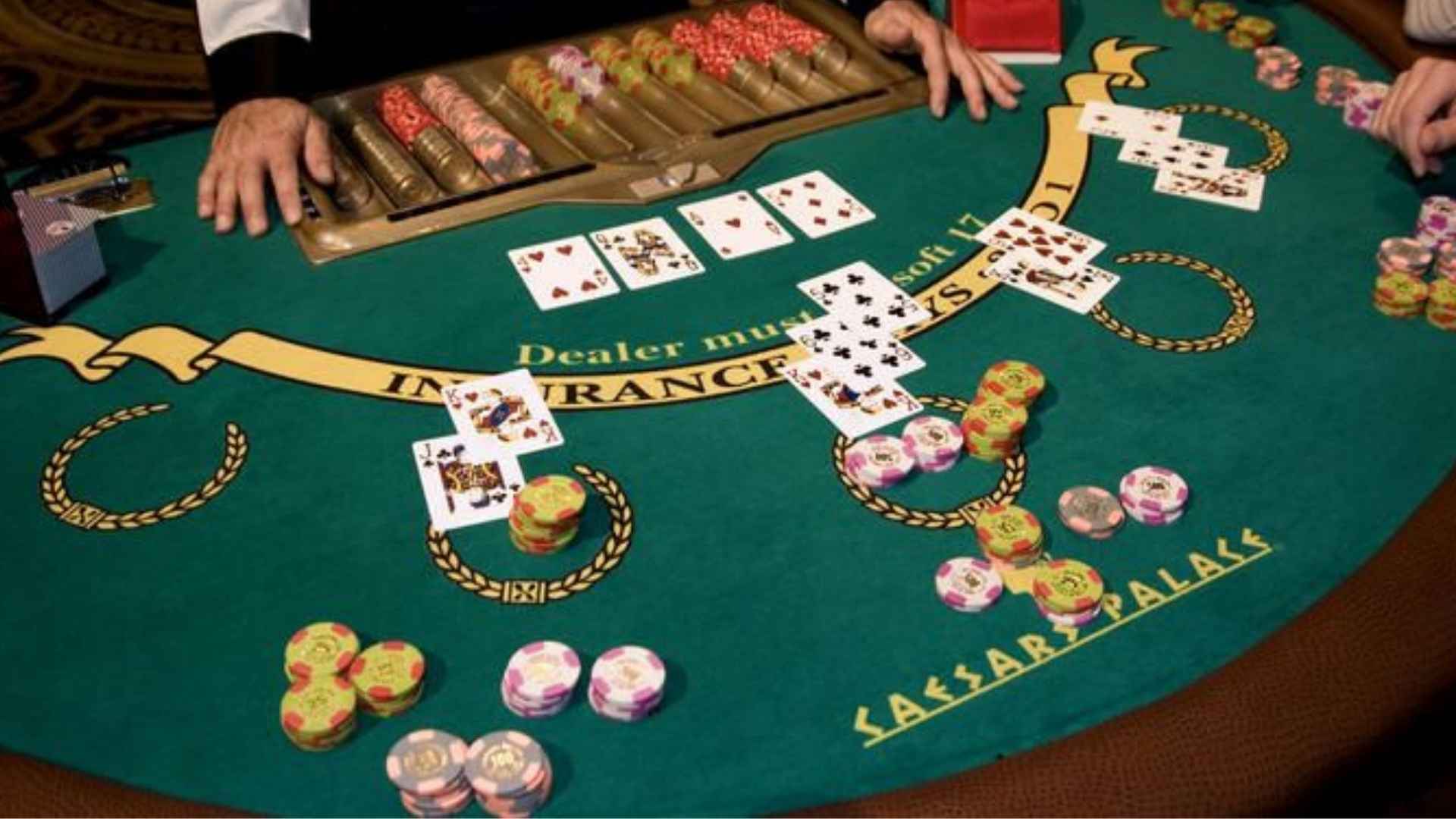
The concept of amusement has always been deeply intertwined with the unpredictable nature of luck and probability. From ancient dice games played around campfires to complex digital algorithms fueling modern gaming modules, the human brain remains uniquely fascinated by hidden outcomes. Exploring the connection between these two variables reveals how surprise serves as a primary driver for prolonged engagement and casual recreation.
The Psychology of Unpredictable Outcomes
Human beings are naturally wired to seek patterns, but they are equally captivated when those patterns remain elusive. When a specific result is not guaranteed, the mind experiences heightened focus and emotional investment during the waiting period. This micro-moment of suspense often delivers more genuine satisfaction than a fully predictable environment ever could.
Psychological studies show that unexpected rewards trigger a more substantial emotional response than expected ones. This dynamic keeps participants curious and motivated to continue exploring an interactive setup over multiple sessions. The baseline simplicity of relying on fortune ensures that anyone can participate without needing a mastery of complex rules.
How Game Design Utilizes Random Probability
Modern developers intentionally build elements of surprise into their digital architecture to sustain player immersion. Mechanics like randomized card draws, dynamic wheel spins, and unpredictable map generation ensure that no two experiences feel completely identical. These variations keep the presentation fresh and prevent casual audiences from experiencing early fatigue.
By blending structural transparency with hidden elements, creators maintain a healthy balance between user agency and unexpected results. For instance, reputable platforms like link vào m88 integrate these reliable probability mechanics to keep their sports and recreational options highly interactive. This strategic execution ensures that traditional concepts stay relevant for a new generation of digital consumers.
Balancing Skill and Fortune for Better Engagement
While absolute randomness can be entertaining, the most compelling recreational formats often mix probability with personal decision-making. Allowing individuals to choose their risk levels or select customized parameters gives them a feeling of control over their destiny. This combination transforms passive observation into an active lifestyle choice that requires both thought and intuition.
When a participant feels that their input matters alongside the elements of fate, the overall satisfaction from a positive outcome increases dramatically. This delicate balance helps casual titles appeal to a much broader demographic of users worldwide. It bridges the gap between competitive strategists and those simply seeking a quick escape from daily routines.
The Future Horizon of Interactive Media
As media distribution shifts toward deeper immersive technologies, the relationship between chance and fun will likely find new expressions. Virtual and augmented reality software can turn abstract mathematical probabilities into tangible physical sensations in real time. This evolution will further deepen consumer loyalty by creating unforgettable sensory feedback loops.
Ultimately, the timeless appeal of random selection guarantees its permanent placement in the global entertainment ecosystem. It provides a natural break from rigid calculations while delivering high-quality visual and emotional satisfaction. By prioritizing safe design and balanced mechanics, contemporary developers ensure that the spirit of playful exploration remains vibrant.